Diamoneers™ vs. Lumineers vs. Traditional Veneers: Tooth Reduction, Durability, and Cost Compared
By Sargon Dental10 min read
Diamoneers™ and Lumineers are both ultra-thin, minimal-prep veneers requiring little to no tooth reduction, while traditional veneers require significantly more enamel removal.
What Are Diamoneers™, Lumineers, and Traditional Veneers?
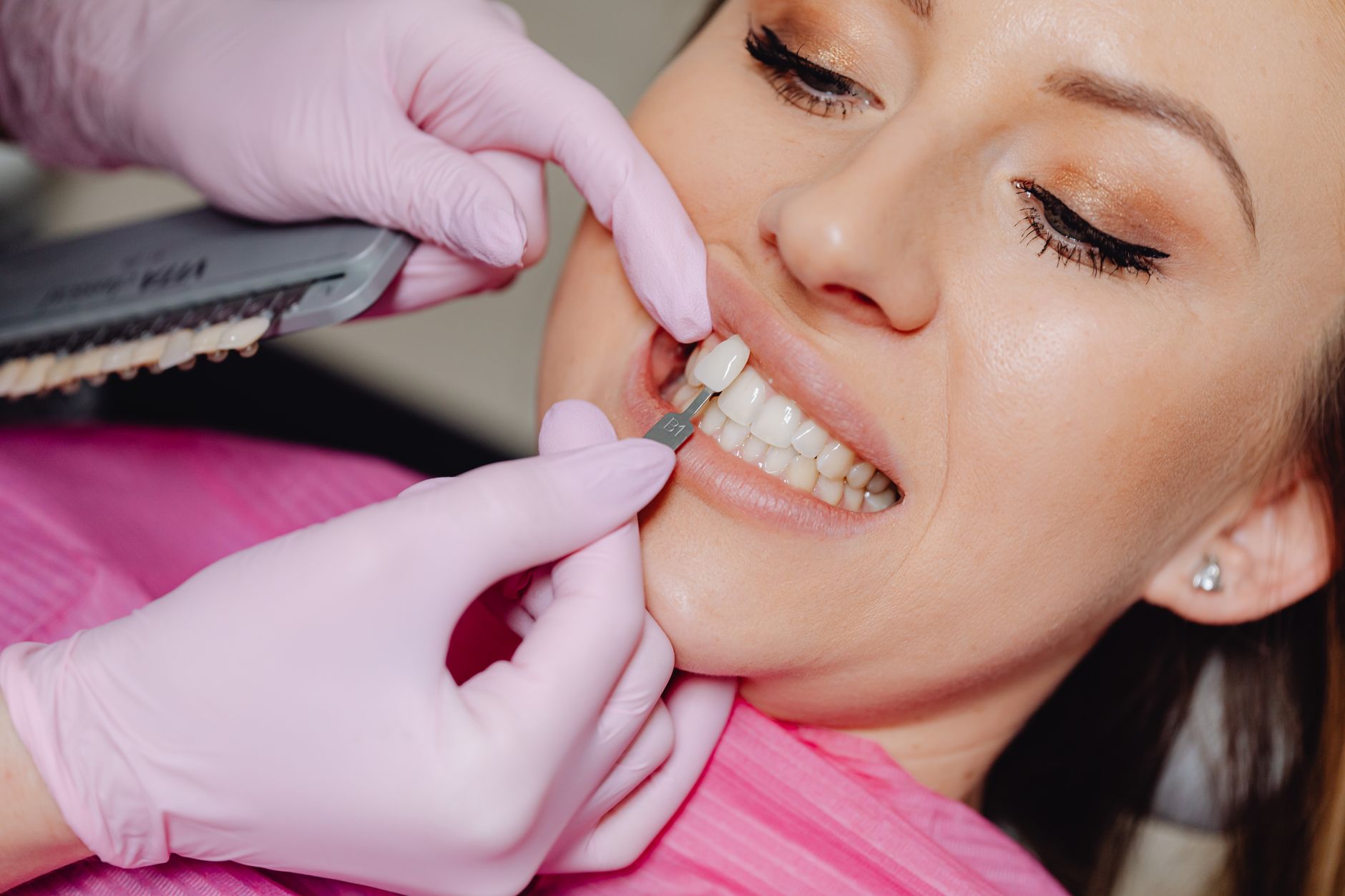
All three options are custom-fabricated porcelain or ceramic shells bonded to the front surface of teeth to correct color, shape, length, or minor alignment issues. Traditional porcelain veneers have been the cosmetic dentistry standard since the 1980s. Lumineers is a branded ultra-thin veneer by Den-Mat Holdings, marketed as a no-prep or minimal-prep solution since the early 2000s. Diamoneers™ is Sargon Dental's proprietary ultra-thin veneer system, engineered for same-day or rapid placement with minimal tooth preparation at our Encino and West Hollywood locations. The core distinction separating these systems is enamel removal: traditional veneers are irreversible by design, while ultra-thin options preserve more natural tooth structure.
How Does Each Veneer System Work?
Understanding the mechanical differences between these three systems helps patients ask better questions before their consultation. Traditional veneers require the dentist to remove a meaningful layer of enamel, take impressions, send them to a certified dental lab, and bond the fabricated porcelain shell at a second or third appointment. Lumineers are engineered to be ultra-thin, similar to a soft contact lens, and bond to existing enamel with minimal preparation before impressions are sent to Den-Mat's certified lab. Diamoneers™ use a proprietary ultra-thin porcelain material with a clinical bonding protocol designed for minimal prep, placed by the specialist team at Sargon Dental's Encino and West Hollywood locations, often within a single accelerated appointment or across a compressed two-visit timeline. In our experience, this compressed timeline reduces the total number of office visits while maintaining the precision required for optimal aesthetic outcomes.
Who Is Each Option Designed For?
Patient selection drives outcomes more than material choice alone. Traditional veneers suit patients with significant discoloration, chips, gaps, or minor misalignment who prioritize longevity and comprehensive correction over reversibility. Lumineers work well for patients with mild cosmetic concerns who want a branded, minimally invasive option and are comfortable with a two-visit lab timeline. Diamoneers™ are designed for Los Angeles patients seeking ultra-thin, minimal-prep results with the clinical precision of a specialist practice, particularly those in the LA area who want high-end cosmetic outcomes without the permanence of traditional enamel reduction. Patients with structural damage, deep bites, or severe bruxism generally require a separate candidacy evaluation before any ultra-thin system is recommended.
How Tooth Reduction Compares Across All Three Options
Tooth reduction is the single most clinically significant difference between veneer types, because enamel does not regenerate once removed. This is where the comparison becomes genuinely consequential for long-term oral health. Traditional veneers require removing a substantial amount of enamel to create physical space for the porcelain shell, making the procedure irreversible in nearly every case. Lumineers are commonly placed with little to no enamel removal: the product is engineered to be ultra-thin so it can bond directly to intact enamel without creating bulk. However, clinical reality is more nuanced. Diamoneers™ are engineered to minimize enamel contact as a core design principle, preserving more natural tooth structure than traditional systems while achieving the cosmetic precision that a specialist team demands. The clinical prep protocol at Sargon Dental evaluates bone density, gum health, and bite forces before determining the appropriate prep level for each individual patient, which is why candidacy varies even within the same veneer system.
Why Enamel Preservation Matters Long-Term
Enamel is the hardest substance the human body produces, and it cannot grow back. Once a dentist removes enamel for traditional veneer placement, that patient is permanently committed to covering those teeth with restorations for the rest of their life. Ultra-thin veneers that preserve enamel leave future treatment options open, including veneer replacement, restoration upgrades, or in some cases reversal. Lumineers are removable in cases where little or no preparation was done, which makes them genuinely reversible for a subset of patients, though a skilled cosmetic dentist must assess bonding depth and marginal integrity before any removal attempt. A poorly fitted no-prep veneer that fails to bond correctly can actually cause more enamel damage at removal than a well-placed traditional veneer would have required upfront. This is why zero-prep marketing language should be evaluated critically: the clinical outcome depends as much on the dentist's technique and patient selection as on the product's design specifications. At Sargon Dental, we believe transparent patient education about prep levels and individual candidacy assessments lead to more predictable and satisfying long-term results than any marketing promise. Patients at our West Hollywood and Encino locations receive a full enamel assessment before any veneer system is recommended.
Durability and Longevity: Which Veneer Type Lasts Longest?
Long-term survival data consistently favors traditional porcelain veneers, though ultra-thin systems have improved considerably. Lumineers have an established track record: when properly bonded and cared for, they perform comparably to other porcelain veneers in general terms, with published clinical follow-up showing reasonable longevity over 10-year periods. The honest caveat for Diamoneers™ is that, as a proprietary system, long-term independent peer-reviewed durability data across multiple clinical sites does not yet exist at the same scale as traditional veneer research. What exists is 30+ years of Dr. Sargon Lazarof's specialist-level outcomes, a rigorous bonding protocol, and a patient base in Los Angeles that has returned for replacement and maintenance cycles.
What Factors Most Affect Veneer Lifespan?
Material quality and bonding technique account for more variance in veneer lifespan than most patients realize. Lab-fabricated porcelain from a certified dental laboratory consistently outperforms low-cost ceramic alternatives regardless of which system is used. Bite alignment matters. Patients with deep bites or crossbites place uneven force on veneers, accelerating wear or debonding across all three types. Bruxism is a serious risk factor. Patients who grind at night should discuss a custom night guard with their dentist before committing to any veneer system, since the thinner the veneer, the less material exists to absorb bite stress. Maintenance habits extend lifespan for all three options: bi-annual professional cleanings, non-abrasive toothpaste, and avoiding biting hard objects are non-negotiable. Dentist experience is a concrete differentiator. Our team has found that cosmetic specialists with decades of veneer experience achieve significantly more consistent bonding outcomes and aesthetic refinement than general practitioners, which is especially critical for ultra-thin systems where bonding quality directly impacts durability. A cosmetic specialist with decades of veneer placement achieves more consistent bonding outcomes than a general dentist placing veneers occasionally, and bonding quality is where ultra-thin systems are most vulnerable to early failure.
Cost Comparison: Diamoneers™ vs. Lumineers vs. Traditional Veneers
Cost is where the three systems diverge most sharply for Los Angeles patients budgeting a smile makeover. Diamoneers™ at Sargon Dental are priced competitively within the premium cosmetic range, with financing options available for qualified patients. Coverage for cosmetic veneers varies by plan and individual circumstances, so patients are encouraged to verify their benefits directly. The total-cost-over-time calculation matters more than the per-tooth sticker price: a veneer that fails in 5 years and requires replacement costs more across a lifetime than one lasting 15.
Full Feature Comparison Table
The table below provides a direct side-by-side reference across all key decision factors. Use it alongside a specialist consultation, not as a substitute for one.
Are Veneers Worth the Cost in Los Angeles?
In LA's professional environment, a premium smile makeover delivers measurable returns for patients in client-facing industries, entertainment, and media. Patients who treat 6-10 teeth at once often receive per-tooth discounts at leading practices. For example, consider a 45-year-old entertainment executive in West Hollywood who wants to brighten her smile before a high-profile industry event in six weeks. Rather than choosing traditional veneers that require multiple visits and weeks of lab work, she opts for Diamoneers™ at Sargon Dental's West Hollywood location, completing her six-tooth smile makeover in two accelerated appointments while preserving maximum natural tooth structure. Same-day or accelerated protocols at Sargon Dental reduce the total number of appointments, lowering indirect costs like time off work and transportation for patients commuting from Sherman Oaks, Studio City, Burbank, or Beverly Hills. Patients should always request an itemized treatment plan before committing, including lab fees, bonding materials, and any preparatory work like teeth whitening or gum contouring. Hidden costs people overlook include temporary veneers (if applicable), any pre-treatment whitening to set the shade baseline, and night guards for bruxism patients. At Sargon Dental, we build these into the treatment planning conversation upfront so patients in the Los Angeles area are never surprised by add-on costs at the bonding appointment.
Pros, Cons, and the Verdict
No single veneer system is universally superior. The right choice depends on your clinical situation, budget, and how much enamel you are willing to permanently sacrifice for a cosmetic outcome. Results speak louder. Here is the honest breakdown of each option.
Pros and Cons of Traditional Porcelain Veneers
Traditional veneers carry the strongest long-term clinical evidence of any veneer system.
Pros: Longest proven lifespan (10-20 years), widest range of cosmetic corrections including severe discoloration and tetracycline staining, the most extensive independent clinical research base of any veneer type, suitable for patients with structural tooth damage requiring more coverage.
Cons: Irreversible enamel removal commits patients permanently to restorations on those teeth. Higher sensitivity risk during and after the procedure. Typically requires two or more appointments spread over several weeks while lab fabrication completes.
Best for: Patients prioritizing comprehensive cosmetic correction and proven longevity over reversibility, particularly those with severe discoloration or structural tooth damage.
Pros and Cons of Lumineers
Lumineers occupy a credible middle ground between DIY snap-on veneers and full traditional preparations. They have an established track record in the cosmetic dentistry space, and when properly bonded and cared for, they are generally similar to other porcelain veneers in function and longevity.
Pros: Minimal to no tooth reduction in many cases, theoretically reversible for patients where zero preparation was used, well-recognized brand with consistent lab quality through Den-Mat Holdings, published clinical follow-up supporting reasonable 10-year outcomes.
Can appear bulkier on certain tooth shapes where no space was created by reduction. Not suitable for severe discoloration or significant structural tooth damage.
Best for: Patients with healthy enamel, mild cosmetic concerns, and a preference for a reversible branded option with a two-visit lab-based process.
Pros and Cons of Diamoneers™
Diamoneers™ represent Sargon Dental's answer to a specific patient problem: how do you deliver ultra-thin, minimal-prep results with genuine specialist oversight in a high-demand LA market? The honest tradeoff is transparency about data.
Pros: Ultra-thin minimal-prep design preserves maximum natural tooth structure. Proprietary material and bonding technique from a 30+ year cosmetic specialist. Same-day or accelerated placement available at Encino and West Hollywood locations. Multilingual team (Farsi, Armenian, Russian, Aramaic) serves LA's diverse patient population. Specialist-level customization unavailable from a distributed branded product.
Cons: Available exclusively at Sargon Dental locations in the Los Angeles area. As a proprietary system, Diamoneers™ does not yet have the breadth of independent long-term peer-reviewed durability data that traditional veneers or even Lumineers carry. Patients evaluating the system must weigh practice-level clinical outcomes and specialist reputation against the published research base that independent studies provide.
Best for: LA-area patients wanting premium ultra-thin veneers with specialist-level care, minimal tooth reduction, flexible same-day options, and the assurance of a dedicated cosmetic practice rather than a general dentist placing a branded product.
The verdict: Choose traditional veneers for maximum coverage and the strongest clinical evidence. Choose Lumineers if reversibility and a nationally distributed brand matter more than same-day convenience. Choose Diamoneers™ if you are in Los Angeles, want minimal prep with specialist precision, and value accelerated timelines from a practice that has built a proprietary protocol around your priorities.
Frequently Asked Questions
Do Lumineers or Diamoneers™ require any tooth shaving at all?
Lumineers are marketed as zero-prep, but a meaningful share of cases still require some enamel preparation for optimal fit and gumline contour. Diamoneers™ are engineered to minimize preparation as a core design principle. Both systems require far less reduction than traditional veneers, but neither guarantees zero prep for every patient.
How long do ultra-thin veneers last compared to traditional porcelain veneers?
Traditional porcelain veneers show approximately 94% survival at 10 years and approximately 83% at 20 years in clinical studies. Ultra-thin options like Lumineers show comparable longevity when properly bonded and maintained. Diamoneers™ durability estimates are based on practice-level outcomes rather than published multi-site studies. Bruxism, diet, and bonding quality affect all three equally.
Can I get Diamoneers™ or Lumineers if I grind my teeth?
Bruxism is a risk factor for all veneer types, but ultra-thin systems are more vulnerable because there is less material to absorb bite stress. Patients who grind should discuss a custom night guard before any veneer placement. Sargon Dental requires a candidacy evaluation for bruxism patients before recommending any ultra-thin system, including Diamoneers™.
Are no-prep veneers really reversible, or is that a marketing claim?
Reversibility is real but conditional. When a dentist places a veneer with zero enamel removal, removal is clinically possible. However, if even minimal etching or prep was performed, the teeth are altered. A skilled cosmetic dentist must assess bonding depth before any removal. The reversibility claim is most accurate for patients who genuinely received zero preparation.
How much do veneers cost in Los Angeles and does insurance cover them?
In Los Angeles, traditional veneers typically cost $1,500–$2,500 per tooth, Lumineers $800–$2,000, and Diamoneers™ at the premium end of that range. A 6-to-10 tooth smile makeover runs $9,000–$25,000 total. Dental insurance rarely covers cosmetic veneers. CareCredit, Lending Club Patient, and practice payment plans are the primary financing vehicles.
What makes Diamoneers™ different from other no-prep veneer brands?
Diamoneers™ is a proprietary system developed and placed exclusively by Sargon Dental's specialist team in Encino and West Hollywood. Unlike nationally distributed products, Diamoneers™ combines a custom ultra-thin material with a clinical protocol refined over 30+ years of cosmetic practice. The difference is specialist oversight and same-day availability, not just product thickness.
How much enamel do Diamoneers remove vs Lumineers?
Both systems are designed for minimal or near-zero enamel removal. Lumineers measure 0.2–0.3 mm thick and aim to bond directly to intact enamel, though some cases require slight preparation. Diamoneers™ use a proprietary ultra-thin profile with a clinical prep protocol that minimizes enamel contact, though exact reduction depends on individual tooth anatomy and bite evaluation.
Are Diamoneers or Lumineers more durable long term?
Lumineers have an established peer-reviewed clinical track record showing reasonable longevity over 10-year follow-up periods when properly bonded. Diamoneers™ currently rely on practice-level outcomes from Sargon Dental rather than multi-site independent studies. For patients prioritizing published durability evidence, Lumineers carry a broader documented base. Specialist placement quality may narrow that gap in practice.
Can either veneer type be placed without shaving teeth?
Yes, in many cases. Lumineers and Diamoneers™ are both designed for minimal to zero tooth reduction. Zero-prep placement is achievable when the patient's existing tooth shape, bite, and enamel quality allow it. However, some cases still need slight preparation for proper adhesion and a natural-looking result. A clinical exam determines whether true zero-prep is appropriate.
What are the pros and cons of ultra-thin veneers?
Pros include minimal or no enamel removal, theoretical reversibility, faster procedures, and lower sensitivity risk. Cons include reduced material thickness making them more vulnerable to chipping under heavy bite forces, limited correction range for severe discoloration or structural damage, and less independent long-term data compared to traditional porcelain veneers. Patient selection is critical for good outcomes.
Which veneer option looks more natural on front teeth?
All three options can look highly natural when placed by an experienced cosmetic specialist. Traditional veneers offer the widest shade and shape customization range. Ultra-thin options like Lumineers and Diamoneers™ can appear slightly more translucent, which some patients prefer. Bulkiness is the main aesthetic risk with zero-prep veneers, avoided when the underlying tooth shape suits the system.
Sources & References
About the Author
Sargon Dental
Sargon Dental is Los Angeles's leading implant and cosmetic dentistry practice, featuring proprietary same-day Ultratooth™ implants and Diamoneers™ veneers with 30+ years of experience across two locations.
Related Posts
Same-Day Dental Implants vs. Traditional Implants: What Los Angeles Patients Should Know
Los Angeles patients choosing between same-day and traditional dental implants face a decision shaped by timeline, budget, bone health, and lifestyle. This comparison breaks down exactly how each protocol works, what each costs in the LA market, and which approach delivers the best long-term results for different patient profiles.
10 min read
Full-Arch Dental Implant Costs in the San Fernando Valley: What Drives the Price
Full-arch dental implants in the San Fernando Valley typically range from $20,000 to $50,000+ per arch, depending on the surgical approach, materials, and provider experience. This guide breaks down every cost factor so you can compare quotes accurately and choose the right practice for your needs.
8 min read