Same-Day Dental Implants vs. Traditional Implants: What Los Angeles Patients Should Know
By Sargon Dental10 min read
Same-day dental implants place a crown on the same visit as implant surgery, restoring your smile in hours instead of months. Traditional implants require a 3-to-6-month healing period before crown placement.
Published: July 1, 2026 | Last Updated: July 1, 2026
How Same-Day and Traditional Dental Implants Actually Work
Understanding the mechanical difference between these two protocols helps patients make a confident decision before their first consultation. Both approaches use titanium posts that fuse with jawbone through osseointegration, the biological process by which living bone cells grow onto and around the implant surface. At Sargon Dental, we use advanced 3D cone beam CT imaging to assess bone quality and density before recommending either protocol, ensuring optimal implant positioning and long-term stability. The critical divergence is timing. Same-day implants, also called immediate-load implants, place the crown or a fixed provisional restoration at the same surgical appointment. Traditional implants defer crown placement until osseointegration is confirmed, typically 3-6 months after surgery (coherentmarketinsights.com). Digital 3D cone beam CT (CBCT) scanning is now standard at top Los Angeles practices for both approaches.
The Ultratooth™ Same-Day Protocol
At Sargon Dental, we offer the proprietary Ultratooth™ system, developed by Dr. Sargon Lazarof over 30-plus years of clinical refinement at our Encino and West Hollywood locations. The Ultratooth™ is a patented single-piece implant with a tapered screw design that compresses bone rather than removing it during insertion. This is clinically meaningful. Published histomorphometric research has reported that compressive-thread implants can achieve higher bone-to-implant contact (BIC) percentages at early timepoints compared to conventional tapered implants, supporting the premise that bone-compressive thread designs promote greater initial stability. Higher early BIC means greater initial stability, which is precisely what makes immediate loading safe. Research comparing compressive-thread and conventional implant designs has similarly documented higher bone area fraction occupancy (BAFO) values for compressive designs (researchgate.net). Because the Ultratooth™ has no separate abutment component, there are fewer mechanical parts and fewer potential failure points. In our experience, this simplified design reduces post-operative complications and allows patients to return to normal eating within hours of placement. Patients leave the same day with a fixed, functional tooth. No flipper. No gap.
What Happens During a Traditional Implant Treatment Timeline
Traditional implants follow a phased surgical sequence. Stage one involves tooth extraction and, when needed, bone graft placement, followed by a healing period that typically requires a minimum of 3 months, and often 3 to 6 months or longer depending on the size and type of graft, with larger procedures such as sinus lifts or ridge augmentation requiring 4 to 9 or more months (my.clevelandclinic.org). Stage two places the titanium post into the healed jawbone. Stage three is the osseointegration waiting period, which today typically runs 3-6 months as bone integration technology has improved (coherentmarketinsights.com). Stage four covers abutment placement, impressions, and final crown fabrication and seating. The phased approach is deliberate. By allowing the implant to heal before adding occlusal (biting) load, traditional protocols give the bone-to-implant interface time to mature without mechanical stress. Our team has found that traditional implants provide exceptional predictability for patients with moderate bone loss or complex healing profiles who might not qualify for immediate-load solutions. This makes them more predictable when healing conditions are less than ideal. Patients with moderate bone loss, active periodontal disease in adjacent teeth, or systemic health factors that slow healing generally do better with this controlled, staged approach. The trade-off is time: multiple surgical visits, multiple sedation appointments, and weeks to months with a temporary restoration or no visible tooth.
Same-Day vs. Traditional Implants: Side-by-Side Comparison
Choosing between these two protocols comes down to bone quality, timeline preferences, budget, and the complexity of your specific case. The table below captures every major decision variable in one place, drawing from clinical guidelines and current Los Angeles market pricing.
Comparison Table: Same-Day vs. Traditional Dental Implants
The most striking row is long-term success rate. Both protocols achieve comparable outcomes when patient selection is done correctly. The data is clear: protocol matters less than proper case selection. At Sargon Dental, our comprehensive pre-operative evaluation process ensures that each patient is matched with the protocol most likely to deliver long-term success and satisfaction.
Who Is a Good Candidate for Each Implant Type in Los Angeles
Candidate selection is the single most important clinical decision in implant dentistry. Same-day implants depend entirely on strong initial implant stability and sufficient bone volume. This is non-negotiable. A 3D cone beam CT scan at our Encino or West Hollywood office confirms whether bone width and height meet the clinical threshold; per the 2023 ITI Consensus, a key bone-width criterion for same-day (immediate placement and loading) candidacy is an intact facial bone wall of at least 1 mm in thickness, with total ridge width requirements varying by implant diameter and site and assessed individually via CBCT (academy.iti.org). Patients also need healthy gingival tissue and no active infection at the implant site. Controlled systemic health matters equally: uncontrolled type 2 diabetes impairs the osseointegration process under both protocols, though the evidence on whether immediate loading specifically amplifies that risk is mixed, some systematic reviews advise caution with immediate loading in diabetic patients, while others have found no statistically significant difference in implant survival rates between diabetic and non-diabetic patients under immediate loading protocols. Healthy Los Angeles adults between their late 20s and 70s with good bone and no disqualifying conditions are the strongest same-day candidates. Many of our patients in Sherman Oaks and Studio City fit this profile exactly.
Conditions That Can Disqualify a Patient from Same-Day Implants
Several clinical factors shift the recommendation decisively toward traditional protocols. Active periodontal disease or an untreated infection at the implant site requires complete resolution before any implant surgery, and attempting immediate loading in an infected field raises failure risk sharply. Bone volume below the clinical threshold often requires bone grafting, which may introduce an additional healing stage and delay or eliminate same-day candidacy; however, in cases where the deficiency is minor and primary stability can be achieved, bone grafting and implant placement may be performed simultaneously. Heavy smokers face compromised vascularity that slows bone remodeling, making delayed-load protocols more predictable. Patients with bruxism (chronic teeth grinding) present a specific mechanical risk for same-day implants: the compressive and lateral forces generated during grinding can micro-displace an immediately loaded implant before the bone-to-implant interface has matured. For bruxers who are otherwise good candidates, a nightguard protocol combined with careful load management may preserve same-day eligibility, but this is a case-by-case clinical judgment. Patients who have worn full dentures for several years also typically present with significant ridge resorption that requires bone grafting before implant placement, routing them toward the traditional pathway. The same-day tooth is often a fixed provisional that delivers immediate function and aesthetics, with the final definitive restoration seated after healing is confirmed. This means final bite adjustments and cosmetic refinements generally occur at a follow-up visit, not the implant appointment itself.
Dental Implant Costs in Los Angeles and Insurance Coverage
Pricing transparency is one of the most common patient concerns at our practice. Here is what the data actually shows. These figures apply to both same-day and traditional single-tooth implants. The per-implant fee is comparable across protocols. Same-day patients, though, avoid the additional costs of multiple anesthesia sessions, bone grafting when not needed, and repeated imaging appointments.
Are Same-Day Implants More or Less Expensive Than Traditional Implants
Some dental insurance carriers offer implant coverage, sometimes with frequency limitations such as one implant per year, though coverage varies widely by plan. Los Angeles patients injured in auto accidents or workplace incidents may recover implant costs through personal injury claims, a process Sargon Dental actively supports by coordinating documentation and working directly with attorneys. For patients without accident coverage, flexible financing through CareCredit, Lending Club, or Sargon Dental's in-house payment plans can reduce monthly out-of-pocket costs to manageable amounts. Consider a Beverly Hills-based marketing professional who needs a front incisor replaced before a major client presentation in three weeks. A traditional implant would leave her in a provisional flipper through the entire healing period. Same-day implants give her a fixed, aesthetic result before the presentation, with no additional cost premium over the traditional route when bone grafting is not needed. The indirect savings compound quickly: fewer rideshare trips to West Hollywood or Encino, less lost billable time, and a single sedation session rather than multiple appointments.
Pros, Cons, and the Verdict: Which Implant Is Right for You
Both protocols achieve durable, natural-looking results. The choice hinges on your clinical profile and personal priorities. Results speak louder than marketing claims, so here is an honest assessment of each.
Pros and Cons of Same-Day Dental Implants
Same-day implants offer compelling advantages for the right patient. The benefits are real. A single appointment replaces months of staged treatment. Patients leave with a fixed tooth the same day, eliminating the aesthetic and functional disruption of a prolonged toothless period. Total sedation exposure is reduced to a single session. For LA residents juggling demanding careers and social lives in places like Santa Monica or Culver City, convenience is not a luxury. It matters. The limitations are equally real. Same-day implants depend on strong initial stability and adequate bone volume. They generally carry a higher risk of failure if bite forces are too high or if healing conditions are suboptimal. The same-day restoration is frequently a fixed provisional, with final cosmetic adjustments made at a follow-up appointment. Patients with bone deficiency, active infection, uncontrolled diabetes, or severe bruxism are not safe same-day candidates.
Pros: Single visit, immediate function, no prolonged gap or flipper, fewer total appointments, one sedation session, reduced indirect costs.
Cons: Strict bone and health requirements, not suitable when grafting is needed, provisional may require later refinement, higher mechanical demands on the healing interface.
Pros and Cons of Traditional Dental Implants
Traditional implants are more reliable for complex cases because the implant is allowed to fully integrate before bearing functional load. They are better suited for patients with bone loss, gum issues, or systemic conditions that make immediate loading less predictable. The phased structure also allows for budget planning: some patients spread treatment costs over 12 to 18 months. The downsides are the extended timeline, multiple surgical visits, and the sustained period of wearing a provisional or temporary denture. More sedation appointments mean more recovery days and more logistical coordination for busy Pasadena or Glendale patients.
Pros: Suitable for bone deficiency cases, broad candidacy, well-documented multi-decade track record, accommodates phased treatment and budget planning.
Cons: 3-12 month total timeline, typically 3-5 appointments, weeks to months with provisionals, sedation used for surgical visit(s) as needed.
The Verdict
Choose same-day implants if: you have adequate bone density confirmed by 3D CT scan, healthy gums, controlled systemic health, no active infection, and your priority is restoring your smile with minimal disruption to work and social life.
Choose traditional implants if: you have bone loss requiring grafting, active periodontal disease, uncontrolled diabetes, heavy smoking habits, or severe bruxism. Traditional protocols are also the right call when you prefer a phased approach to budgeting.
The surgeon's experience and case selection process are more predictive of outcomes than the protocol itself. At Sargon Dental, we evaluate every patient's 3D scan and health history before recommending either pathway, and our multilingual team serving Encino, West Hollywood, and surrounding Los Angeles communities can guide you through that decision in Farsi, Armenian, Russian, or Aramaic.
Frequently Asked Questions
Are same-day dental implants as strong and long-lasting as traditional implants?
Yes, when patients are properly selected. A large-scale national dataset found a clinical success rate of 97.83% for modern implant systems. Both protocols achieve 10-year survival rates above 95%. The key variable is correct patient selection, not the protocol itself. Adequate bone density and healthy gums are essential for same-day candidacy.
How do I know if I qualify for same-day dental implants in Los Angeles?
Qualification requires a 3D cone beam CT scan to confirm sufficient bone volume and density, healthy gum tissue, no active infection, and controlled systemic health. Patients with uncontrolled diabetes, active periodontal disease, severe bone loss, or significant bruxism typically do not qualify and are guided toward traditional implant protocols instead.
Does dental insurance cover same-day or traditional implants in California?
Most dental insurance plans classify both same-day and traditional implants as elective procedures, covering little to nothing. Medical insurance occasionally covers implants resulting from accident trauma. Los Angeles patients injured in auto or workplace accidents may recover implant costs through personal injury claims. Financing options through CareCredit or in-house payment plans are widely available.
How painful is same-day implant surgery compared to the traditional multi-stage process?
Both protocols use local anesthesia and optional IV sedation, so intraoperative discomfort is minimal for either approach. Same-day patients experience one recovery event. Traditional implant patients recover from each surgical stage separately, including extraction, grafting if needed, and implant placement, meaning cumulative post-operative discomfort across multiple appointments is typically higher overall.
What is the Ultratooth™ implant and how is it different from standard implants?
Ultratooth™ is a patented single-piece implant developed by Dr. Sargon Lazarof with over 30 years of clinical refinement. Its tapered screw design compresses bone rather than removing it during insertion, achieving higher early bone-to-implant contact than conventional designs. There is no separate abutment, which reduces mechanical complexity and enables safe immediate loading in a single appointment.
Can I get same-day implants if I have been wearing dentures for several years?
Possibly, but long-term denture wearers often develop significant jawbone resorption because the bone is no longer stimulated by tooth roots. This bone loss frequently falls below the volume threshold required for safe immediate loading. A 3D CT scan determines actual bone dimensions. Many long-term denture wearers require bone grafting first, routing them toward a traditional implant timeline.
How long do same-day dental implants last compared to traditional ones?
Both same-day and traditional implants are designed to last a lifetime with proper care. Long-term studies tracking patients for 20-plus years show survival rates above 90% for both protocols. First-year survival rates for modern titanium implants are above 97% according to the American Academy of Implant Dentistry. Longevity depends on bone quality, oral hygiene, and the surgeon's case selection.
Are same-day dental implants more likely to fail than traditional implants?
Not when patients are correctly selected. Same-day implants generally carry a higher risk of movement or failure if bite forces are excessive or healing conditions are suboptimal. However, with proper patient screening using 3D imaging and clinical evaluation, same-day and traditional implants achieve comparable long-term success rates. Compressive-thread designs further reduce early failure risk by improving initial bone contact.
What is the recovery time for same-day versus traditional dental implants?
Same-day implant patients typically experience one recovery period of 3 to 7 days of mild soreness. Traditional implant patients recover from each surgical stage separately: extraction, optional grafting, implant placement, and abutment seating. While each individual recovery is similar in duration, the total cumulative downtime across a 6-to-18-month traditional treatment plan is substantially greater than with same-day protocols.
How much do same-day dental implants cost compared to traditional implants?
Per-implant fees are broadly comparable. Los Angeles single implants average $4,500 per tooth. Traditional patients who need bone grafting incur an additional $500 to $3,000 per graft site, making traditional treatment more expensive in complex cases. Same-day patients save on multiple anesthesia sessions and indirect costs like lost work time. Full-arch solutions run $20,000 to $50,000-plus for either protocol in the LA market.
Sources & References
- Osseointegration Implants Market Size & Forecast, 2026-2033 - Coherent Market Insights[industry]
- Traditional versus compressive implant osseointegration after immediate placement: A randomized histomorphometric study - PMC[edu]
- All-on-4 Success Rates: 10 & 20 Year Survival Data (2026) - Kristal Clinic[industry]
- Reducing Healing Period with DDM/rhBMP-2 Grafting for Early Loading in Dental Implant Surgery (PubMed/PMC)[factcheck]
- Survival rate and peri-implant evaluation of immediately loaded dental implants in individuals with type 2 diabetes mellitus: a systematic review and meta-analysis – PMC[factcheck]
- Horizontal Bone Augmentation with Simultaneous Implant Placement in the Aesthetic Region: A Case Report and Review of the Current Evidence – PMC/MDPI Medicina[factcheck]
- Bruxism in implant-supported rehabilitations: a narrative review of clinical complications and management strategies - PMC (BMC Oral Health, 2025)[factcheck]
About the Author
Sargon Dental
Sargon Dental is Los Angeles's leading implant and cosmetic dentistry practice, featuring proprietary same-day Ultratooth™ implants and Diamoneers™ veneers with 30+ years of experience across two locations.
Related Posts
Diamoneers™ vs. Lumineers vs. Traditional Veneers: Tooth Reduction, Durability, and Cost Compared
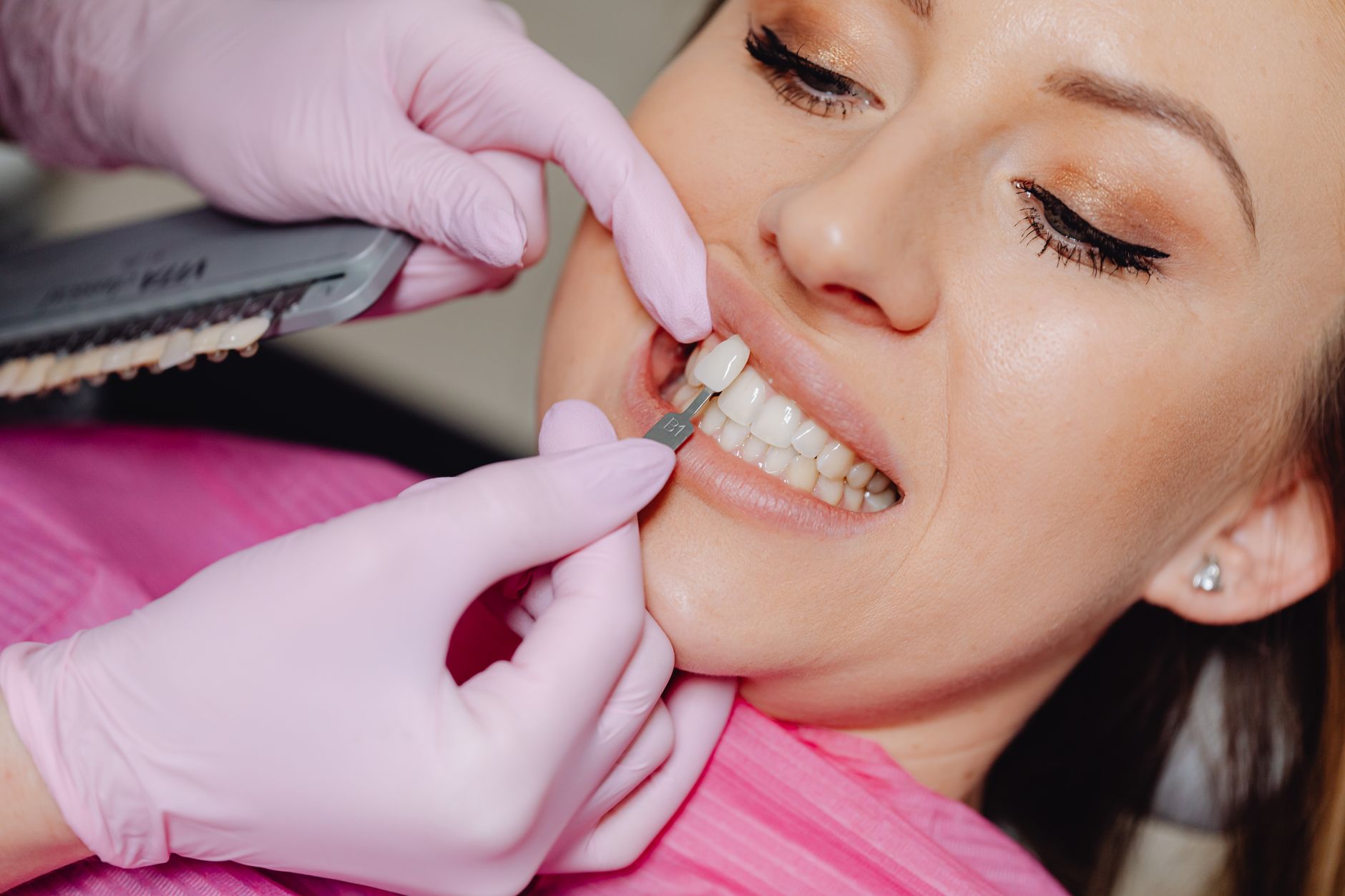
Choosing between Diamoneers™, Lumineers, and traditional porcelain veneers comes down to three factors: how much tooth structure you want to preserve, how long you need your results to last, and what you can budget. This comparison breaks down every key difference so you can walk into your consultation already informed.
10 min read
Full-Arch Dental Implant Costs in the San Fernando Valley: What Drives the Price
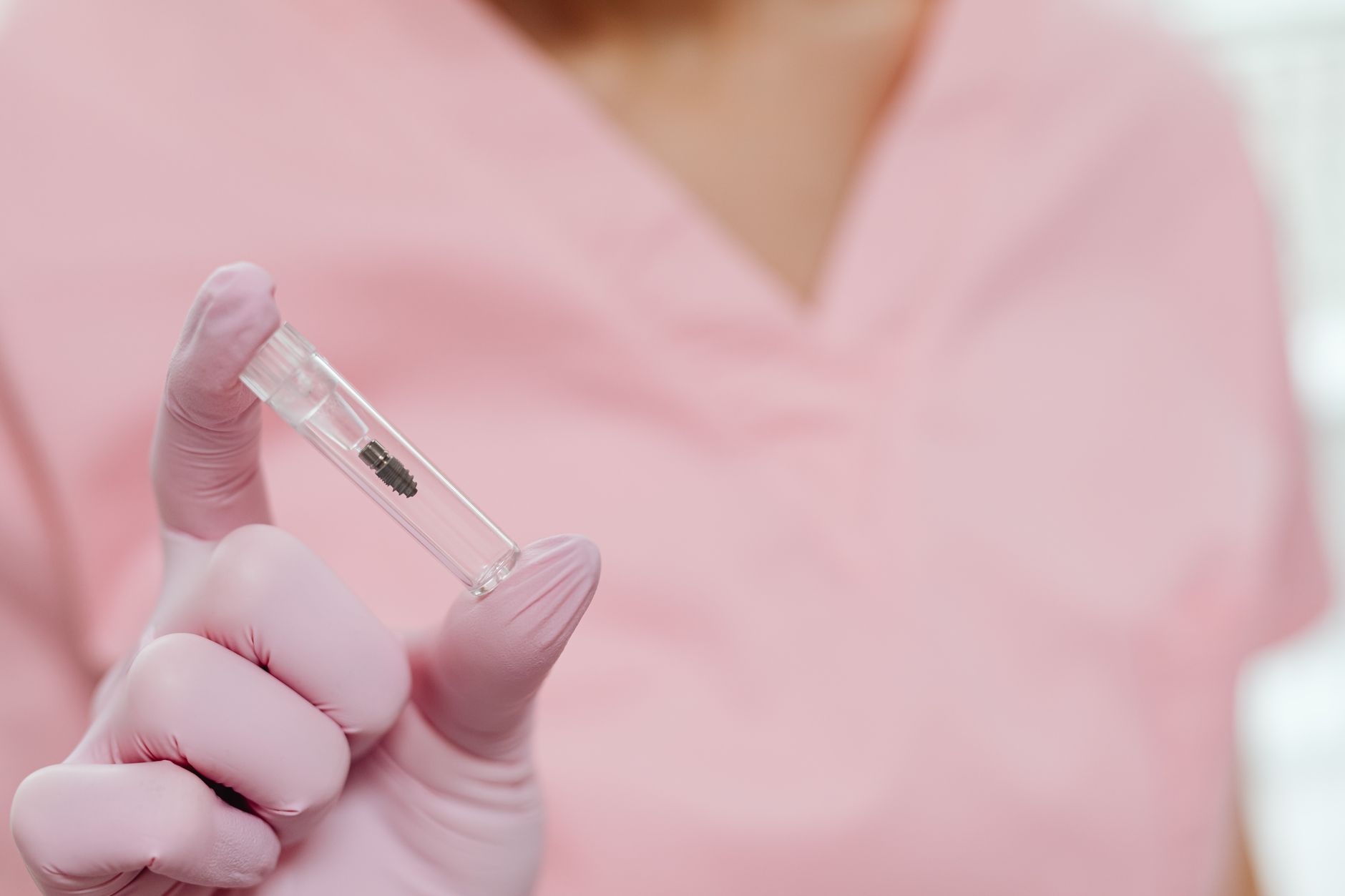
Full-arch dental implants in the San Fernando Valley typically range from $20,000 to $50,000+ per arch, depending on the surgical approach, materials, and provider experience. This guide breaks down every cost factor so you can compare quotes accurately and choose the right practice for your needs.
8 min read